

How to Effectively Report a Scammer
In today’s digital age, scams are unfortunately a common occurrence. Whether you encounter a phishing email, a fraudulent online shop, or a con artist posing as a legitimate business, knowing how to report a scammer is vital for your safety and the safety of others. If you find yourself a victim of fraud, or you stumble upon a scam, it’s crucial to act swiftly. Check out this comprehensive guide that will walk you through the steps of reporting a scammer, keeping in mind that your actions can prevent others from falling victim to similar schemes. For further information, you can also refer to this page: how to report a scammer in UAE https://flippamagazine.co.uk/pgs/how-to-report-a-scammer-in-uae.html.
Identifying a Scam
Before you can report a scammer, you need to identify if you are indeed dealing with a scam. Common indicators of scams include:
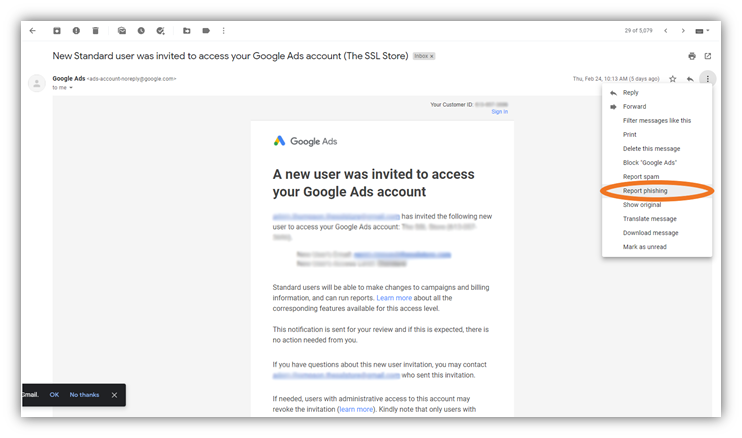
- Unsolicited communications, often via email or phone.
- Too-good-to-be-true offers, such as large sums of money for minimal effort.
- Requests for personal or financial information.
- Pressure tactics, such as demanding immediate action.
- Suspicious links or attachments in emails.
Once you’ve identified a potential scam, your next step is to take action.
Gather Evidence
To effectively report a scammer, collecting as much evidence as possible is crucial. Here are some essential pieces of evidence to gather:
- Emails, text messages, or other communications from the scammer.
- Website URLs, screenshots, or promotional materials.
- Details of any transactions made, including payment methods and amounts.
- Any other relevant information, such as names, phone numbers, or addresses associated with the scam.
This information will be invaluable when filing your report.
How to Report a Scammer
Different authorities may handle fraud reports depending on your location and the nature of the scam. Here are general steps to follow when reporting a scammer:
1. Report to Local Authorities
If you have fallen victim to a scam or have information about illegal activities, report it to your local police department. They often have units that specialize in fraud cases. Provide them with the evidence you’ve collected.
2. Report to Consumer Protection Services
Many countries have consumer protection agencies that handle reports of fraud. In the United States, you can file a complaint with the Federal Trade Commission (FTC). If you’re in the UK, you can report the scam to the National Fraud Intelligence Bureau (NFIB).
3. Notify Your Bank or Credit Card Provider
If you provided financial information or made a payment, reach out to your bank or credit card provider immediately. They can assist you with fraud protection measures, including reversing charges or monitoring your account.
4. Report Online Scams
If the scam occurred online, report it to platforms such as:
- Social media sites (e.g., Facebook, Instagram, Twitter).
- Online marketplaces (e.g., eBay, Amazon).
- Domain registrars if a scam website is involved.
5. Use Reporting Websites
There are several websites dedicated to reporting scams, such as:

- Scamwatch (Australia)
- Action Fraud (UK)
- Internet Crime Complaint Center (IC3 – USA)
These platforms can help raise awareness about the scam and assist in investigations.
Protect Yourself from Future Scams
Once you’ve reported a scammer, it’s important to protect yourself from future scams. Consider these tips:
- Stay informed about common scams.
- Be cautious of unsolicited communications.
- Regularly monitor your financial statements.
- Use strong, unique passwords for online accounts.
- Enable two-factor authentication where possible.
Conclusion
Reporting a scammer not only helps you seek justice but also safeguards your community from potential threats. Remember, scams can happen to anyone, and the more aware we are, the better equipped we become to face these challenges. By following these steps, you can take the necessary action to report a scammer effectively and contribute to a safer online environment for everyone.