

The Dynamics of Global Forex Trading: Trends and Insights
In today’s interconnected world, global forex trading has emerged as one of the most significant financial markets, characterized by its vast liquidity and high trading volume. Forex, or foreign exchange, involves the buying and selling of currencies in a decentralized market where currencies are exchanged. It forms an integral part of international trade and investment. As the market becomes increasingly accessible, platforms such as global forex trading Crypto Trading App have made it easier for both novice and expert traders to dive into the world of forex. This article delves into the various aspects of global forex trading, shedding light on its trends, participants, and the tools that define the trading landscape.
Understanding Forex Trading
Forex trading involves the exchange of currency pairs, where one currency is bought while the other is sold. Currencies are traded in pairs, such as the euro against the US dollar (EUR/USD) or the British pound against the Japanese yen (GBP/JPY). The primary aim in forex trading is to profit from changes in currency values over a specified period. The forex market operates 24 hours a day, five days a week, with major trading centers in London, New York, Tokyo, and Sydney.
Key Factors Influencing Forex Markets
Several factors influence currency values in the forex market, including:
- Economic Indicators: Reports such as gross domestic product (GDP), employment numbers, and inflation can significantly impact currency valuations.
- Monetary Policy: Central banks influence currency values through interest rate adjustments and other monetary policy measures, affecting overall economic stability.
- Political Stability: Countries with stable governments tend to attract foreign investment, leading to stronger currencies.
- Market Sentiment: Traders’ perceptions and reactions can amplify or dampen currency prices, making market sentiment a critical aspect of forex trading.

The Players in the Forex Market
The forex market comprises various participants, each playing a crucial role in its functionality:
- Central Banks: They control national currency supply and implement monetary policy, impacting exchange rates.
- Commercial Banks: Major players in currency trading, facilitating transactions for their clients and their profitability.
- Hedge Funds and Investment Firms: These entities seek to profit from currency fluctuations by engaging in speculative trading.
- Retail Traders: Individual traders participate on various platforms, leveraging technology to trade currencies for personal gain.
Technological Advancements and Forex Trading
The advent of technology has been transformative for forex trading. Traders have access to advanced trading platforms that offer real-time data, analytical tools, and automated trading capabilities. Algorithmic trading and artificial intelligence are increasingly popular, enabling traders to execute complex strategies with greater efficiency. Furthermore, the rise of mobile trading apps has facilitated on-the-go trading, making it easier for traders to engage with the market at any time.
Forex Trading Strategies
There are several strategies traders employ in the forex market, including:
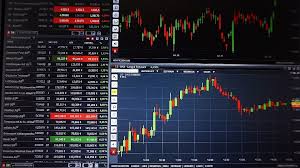
- Day Trading: This strategy involves opening and closing positions within the same trading day.
- Swing Trading: Traders hold positions for several days to capture price changes resulting from market swings.
- Position Trading: This long-term strategy involves holding positions for weeks, months, or even years, focusing on macroeconomic factors.
- Scalping: Traders make numerous small trades, aiming to profit from minor price fluctuations.
Risk Management in Forex Trading
Effective risk management is crucial for successful forex trading. Traders implement various strategies to minimize potential losses, including setting stop-loss orders and taking profits at predetermined levels. Leveraging is another important consideration, as it enhances profit potential but also increases risk. Understanding one’s risk tolerance and creating a solid trading plan can help traders navigate the complexities of the forex market more effectively.
The Future of Forex Trading
As globalization continues to shape the economy, the forex market is expected to grow even more in prominence. Emerging markets are playing an increasingly vital role in the forex landscape, and the integration of cryptocurrencies introduces new dynamics to currency trading. Furthermore, regulatory changes and technological innovations will likely influence forex trading strategies and practices. The market’s future will hinge on the ability of traders to adapt to these changes while safeguarding their investments.
Conclusion
Global forex trading represents a dynamic and ever-evolving financial sector. Understanding the factors that influence currency fluctuations, the key players involved, and effective trading strategies is essential for anyone seeking success within this market. As technology continues to innovate and market conditions change, traders must remain adaptable and informed to thrive in the global forex trading arena. By leveraging tools and resources, such as trading platforms and educational materials, individuals can increase their chances of making informed trading decisions and achieving their financial goals.