
Cultural reflections understanding the role of casinos in society
The Historical Context of Casinos
Casinos have long been embedded in the fabric of society, dating back to ancient civilizations where games of chance were played for entertainment and social bonding. Over the centuries, they evolved from simple gambling establishments to luxurious venues that attract millions of visitors worldwide. This transformation reflects broader social changes, highlighting shifts in leisure activities, economic structures, and cultural norms. Today, for those looking for enjoyment, exploring payid online pokies can be a thrilling way to engage with this rich history.
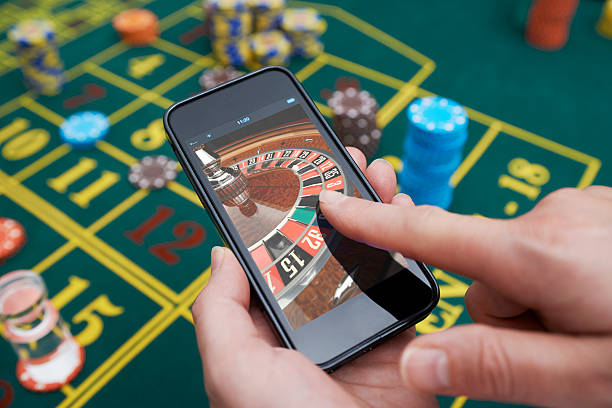
In many cultures, casinos represent a convergence of entertainment and risk, embodying the tension between fortune and fate. Their history is intertwined with societal attitudes toward gambling, often oscillating between acceptance and prohibition. As gambling became more mainstream, especially in the 20th century, casinos began to play a vital role in tourism and local economies, further embedding them in cultural narratives.
The Social Dynamics of Gambling
Casinos serve as social hubs, bringing together diverse groups of people under one roof. The atmosphere of excitement and anticipation fosters social interactions, from casual conversations at gaming tables to shared experiences among friends and family. This social aspect is crucial, as it transforms gambling from a solitary activity into a communal experience, reinforcing social ties and shared identities. As famous gambling stories often illustrate, these interactions can lead to memorable moments that enrich personal connections.
Moreover, the presence of casinos often influences local cultures, shaping attitudes toward risk, luck, and fortune. In many communities, casinos can become symbols of both hope and despair, offering opportunities for economic growth while simultaneously raising concerns about addiction and socioeconomic disparities. This duality illustrates the complex relationship between gambling and social dynamics.
Cultural Representations of Casinos in Media
Casinos have been romanticized and dramatized in various forms of media, from films and literature to music and art. Iconic movies often depict glamorous gambling scenes, portraying the allure and danger of casinos. These representations significantly shape public perceptions, glorifying the excitement of winning while downplaying the risks associated with gambling.
Such cultural depictions can have a profound impact on society, influencing not just attitudes towards gambling but also encouraging participation. The thrill of the casino experience is often amplified in storytelling, creating a narrative that can overshadow the potential consequences of gambling addiction. This cultural portrayal invites critical reflection on how society engages with the realities of risk and reward.
The Economic Impact of Casinos
The economic contributions of casinos are significant, impacting local and national economies through job creation, tourism, and tax revenue. Many regions have strategically developed casinos as part of their economic revitalization efforts, aiming to attract visitors and stimulate local businesses. This economic model often emphasizes the potential benefits of gambling, such as infrastructure development and increased employment opportunities.
However, the economic impact of casinos can be a double-edged sword. While they can drive growth and provide livelihoods, they also pose challenges such as dependency on gambling revenue and social costs related to problem gambling. Understanding these economic implications is crucial for policymakers and communities as they navigate the complexities of integrating casinos into their economies.

Exploring Responsible Gambling and Cultural Awareness
As casinos continue to play an integral role in society, promoting responsible gambling becomes essential. Public awareness campaigns and educational initiatives can help mitigate the risks associated with gambling while fostering a culture of informed participation. This is particularly important in diverse communities, where cultural attitudes toward gambling may vary widely.
Creating a balanced dialogue about gambling can enhance cultural understanding and promote healthier gaming environments. As societies evolve, so too must the approaches to gambling, ensuring that the benefits of casinos can be enjoyed without overshadowing the need for responsible practices. By fostering an awareness of both the positive and negative aspects of casinos, communities can thrive while safeguarding their members.